

Check out our schedule for upcoming Chinese medicine seminars and workshops approved for Australian CPD points. Get direct access to live tuition from international and local TCM and acupuncture experts.
If you can’t attend, no need to worry, we film many of these Chinese medicine seminars and make them available as online courses at a later date. Contact us if you have any questions…

Motor Point Acupuncture: From Head to Toe with Rich Hazel
MOTOR POINT ACUPUNCTURE: FROM HEAD TO TOE
About This Workshop
This four-day workshop builds on the foundations established in the 2026 Motor Point Acupuncture course. Where that program concentrated on the lower limb, sports performance, and the spine, this course extends the curriculum to cover the entire body from head to toe, with new content on the shoulder, upper extremity, forearm nerve entrapments, and the lower leg.
Each day is structured around a region of the body, with motor points and trigger points taught within the context of specific clinical presentations and movement demands rather than as isolated point locations. The program draws on the Janda approach to muscle imbalance and integrates it with Rich Hazel’s clinical framework for nerve entrapment assessment and treatment.
The workshop is designed to accommodate practitioners at all levels of experience. A pre-workshop online module allows beginners to build the necessary foundations before arriving, while intermediate and advanced practitioners can use it as preparation and review.
Pre-Workshop Online Module
All registrants receive access to a self-paced online module covering the core Motor Point Acupuncture foundations from the 2026 course.
Access will be provided within 1 to 2 business days of your registration being processed. If you have not received access after this time, please contact us at info@chinesemedicineeducation.com.
This allows Day 1 to focus on clinical application from the start. Beginners arrive prepared; intermediate and advanced practitioners use it to identify any gaps before attending.
WORKSHOP OUTLINE
Each day runs from 9:00 am to 5:30 pm and combines lecture, live demonstration, and supervised hands-on practice.
DAY 1: SHOULDER
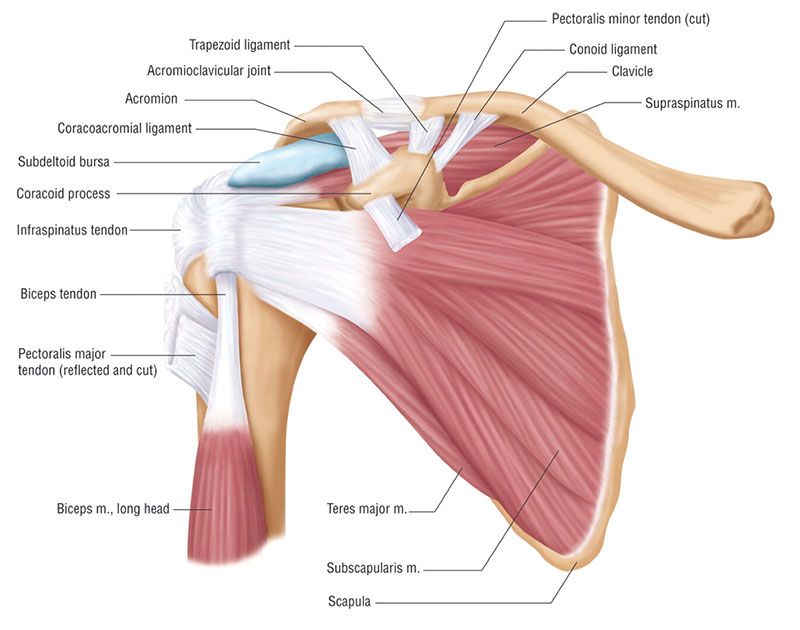
The shoulder complex is one of the most commonly treated regions in acupuncture practice, yet the full range of muscles contributing to shoulder dysfunction is rarely addressed. Day 1 covers the rotator cuff alongside the chest wall, anterior arm, and scapular stabilising muscles, treating the shoulder as an integrated system rather than a collection of isolated structures.
Rotator Cuff
- Supraspinatus, infraspinatus, teres minor, subscapularis
Chest Wall and Anterior Shoulder
- Pectoralis major (clavicular and sternocostal heads)
- Pectoralis minor
- Coracobrachialis
Posterior and Lateral Shoulder
- Latissimus dorsi
- Teres major
Scapular Stabilisers
- Serratus anterior
- Middle and lower trapezius
Clinical Presentations
- Shoulder impingement and rotator cuff tendinopathy
- Frozen shoulder: treatment of the compensation muscles (including upper trapezius) that become painful during rehabilitation
- Glenohumeral and acromioclavicular joint pain
- The relationship between cervical dysfunction and shoulder pain
DAY TWO: HEAD, NECK, UPPER EXTREMITY & NERVE ENTRAPMENTS
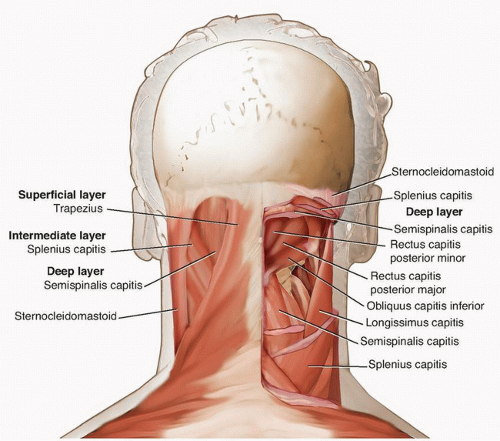
Day 2 covers the suboccipital region, upper cervical spine, and the muscles involved in headache, thoracic outlet syndrome, and TMJ dysfunction. The afternoon focuses on forearm nerve entrapments, working systematically through the course of the radial and median nerves. This content is new from 2026.
Suboccipital Region
- Rectus capitis posterior major
- Obliquus capitis inferior
- Semispinalis capitis
Neck and Shoulder Girdle
- Upper trapezius trigger points
- Levator scapulae trigger points
- Middle scalene (thoracic outlet)
- Pectoralis minor (lecture; also introduced on Day 1)
TMJ Dysfunction
- Suboccipitals and their relationship to jaw clicking and popping
- Masseter and temporalis trigger points
Radial Nerve Entrapment and Radial Tunnel Syndrome
Working through the course of the radial nerve from proximal to distal:
- Triceps
- Brachioradialis
- Extensor carpi radialis longus and brevis
- Extensor digitorum communis
- Supinator
- Anconeus
- Extensor pollicis brevis
Pronator Syndrome and Median Nerve Entrapment
- Pronator teres
- Palmaris longus
- Flexor digitorum superficialis
- Flexor digitorum profundus
Cubital Tunnel Syndrome and Ulnar Nerve
- Flexor carpi ulnaris
Clinical Presentations
- Chronic neck pain, tension headache, and migraine
- Neurogenic Thoracic Outlet Syndrome
- TMJ dysfunction and jaw clicking
- Radial Tunnel Syndrome
- Pronator Syndrome
- Cubital Tunnel Syndrome
- Lateral and medial epicondylalgia
DAY THREE: LOW BACK, HIP & SCIATICA
Morning Session
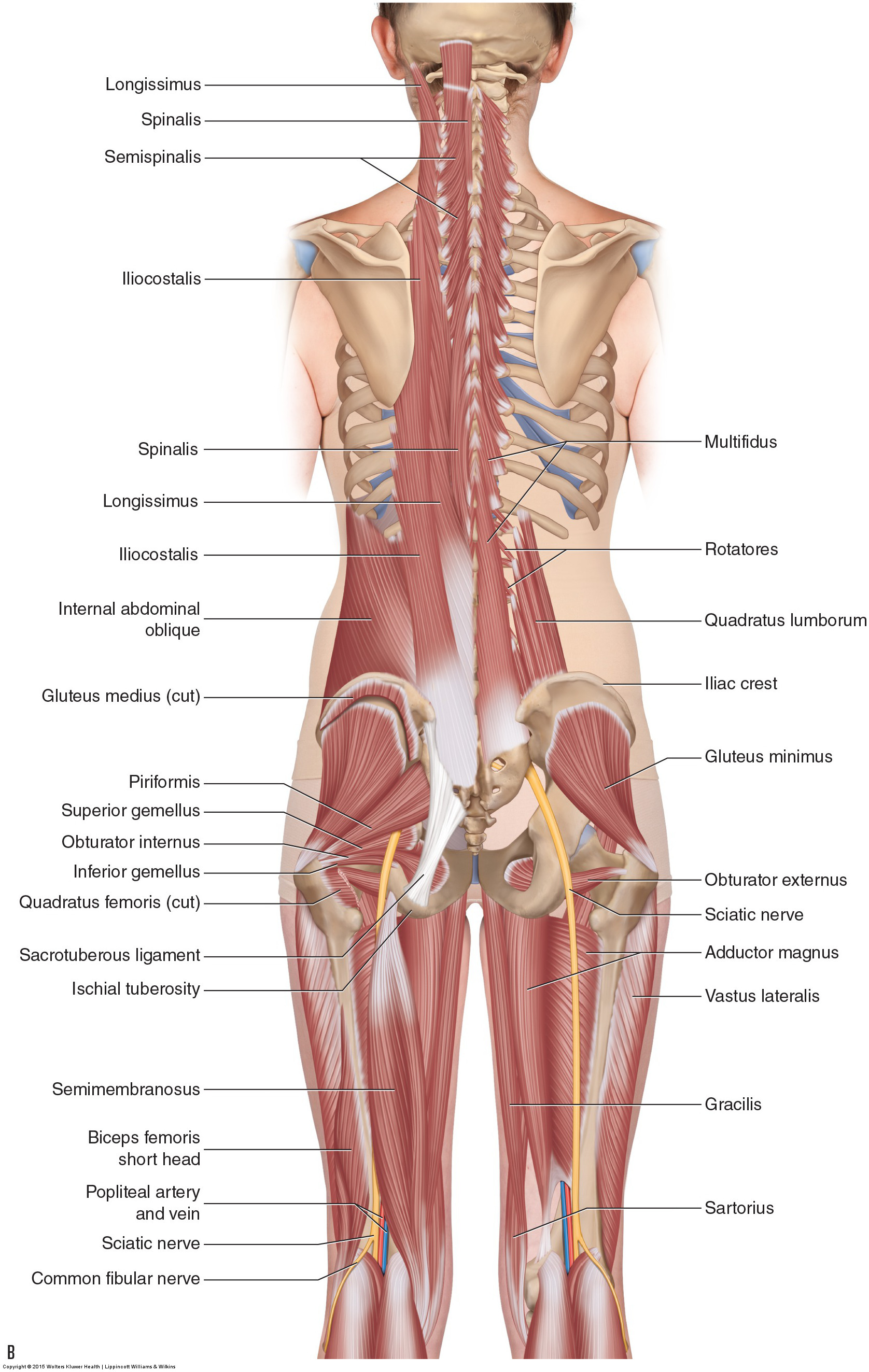
The morning applies Janda’s Lower Crossed Syndrome framework to chronic low back pain and sacroiliac joint pain. The hip flexor complex is covered in full, given the role of anterior pelvic tilt in lumbar loading. Sacroiliac joint trigger points are addressed in detail, an area that remains largely absent from standard acupuncture training.
Lower Crossed Syndrome and Lumbar Spine
- The Lower Crossed Syndrome model: patterns of inhibition and overactivity in the lumbopelvic region
- Quadratus lumborum trigger points (3 clinical locations)
- Sacroiliac joint trigger points
Hip Flexor Complex
All of the following muscles contribute to anterior pelvic tilt and lumbar loading:
- Psoas
- Tensor fasciae latae
- Rectus femoris
- Sartorius
Afternoon Session
The afternoon focuses on the assessment and treatment of sciatica and sciatic nerve entrapments, including presentations that are commonly misdiagnosed. Gluteal referral patterns that mimic sciatica are covered, along with the full range of entrapment sites along the course of the sciatic nerve.
Sciatica and Sciatic Nerve Entrapment
- Piriformis and superior gemellus trigger points
- The different entrapment sites of the sciatic nerve and how to distinguish between them clinically
- Biceps femoris and peroneus longus in the sciatica protocol
Gluteal Referral Patterns
- Gluteus medius trigger points (4 clinical locations)
- Gluteus minimus: referral patterns that closely mimic sciatica
- Gluteus minimus and TFL covered together given overlapping referral and clinical presentation
Superior Cluneal Nerve Entrapment
- A commonly misdiagnosed condition that mimics sciatica
- QL trigger point treatment as part of the Superior Cluneal Nerve Entrapment protocol
- Differentiating from true sciatica: clinical assessment and treatment approach
DAY FOUR: KNEE, FOOT, ACHILLES & LOWER LIMB NERVE ENTRAPMENTS
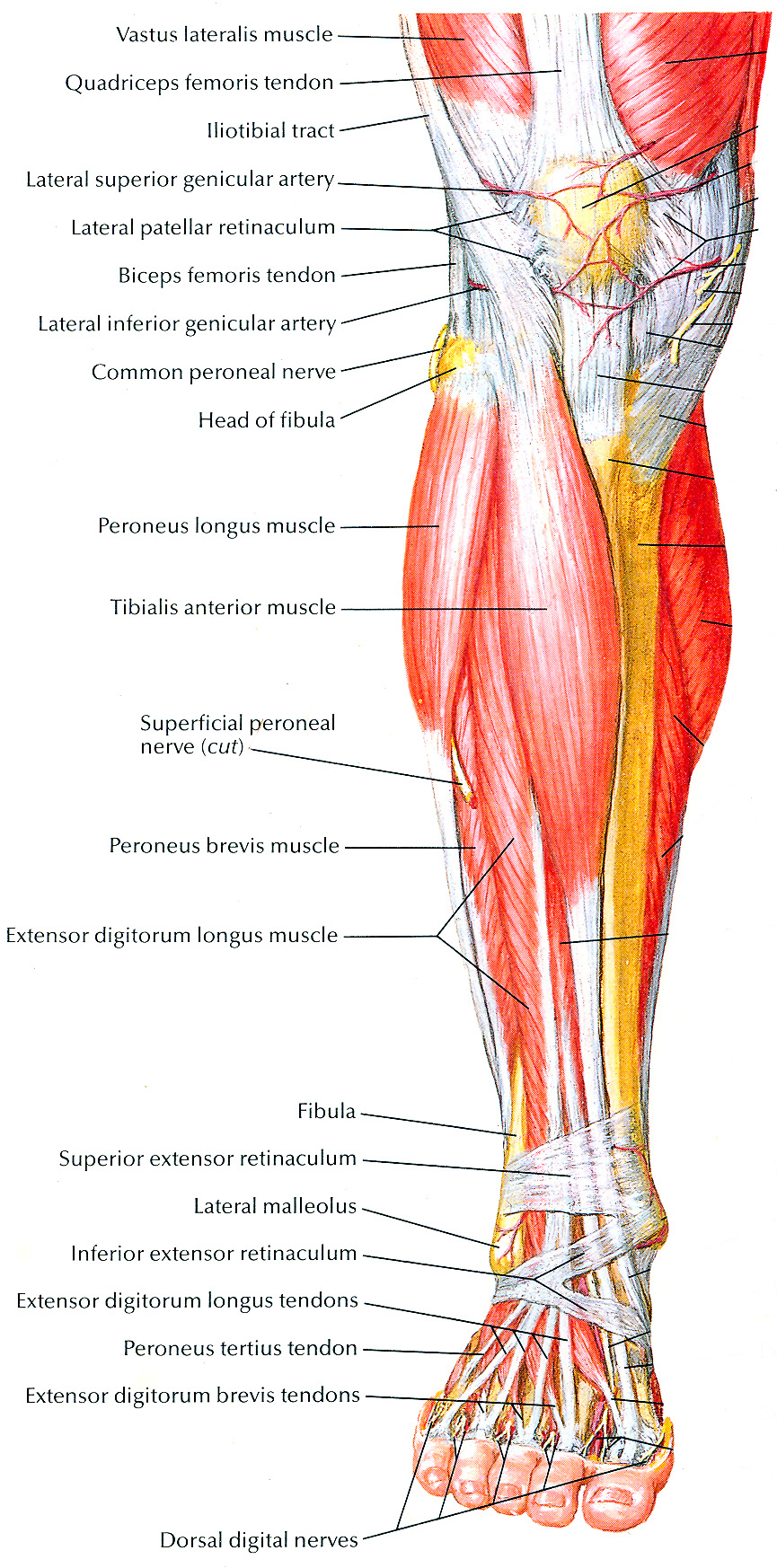
Day 4 completes the head-to-toe framework with the knee, foot, and lower leg. This content is entirely new from 2026. Each nerve entrapment is covered with its specific motor point and trigger point treatment.
Knee
- Patellofemoral syndrome, patellar tendinopathy, and medial knee pain
- IT band syndrome and lateral knee pain: TFL and vastus lateralis motor points
Achilles and Plantar
- Achilles tendinopathy: posterior chain motor point protocols
- Plantar fasciitis: the relationship between posterior chain dysfunction and heel pain
Sural Nerve Entrapment
- Gastrocnemius trigger point
Superficial Peroneal Nerve Entrapment
- Peroneus brevis
- Extensor digitorum longus
Tarsal Tunnel Syndrome
- Abductor hallucis (two clinical points)
- Two posterior tibial nerve points
Baxter Nerve Entrapment and Plantar Foot
- Quadratus plantae (relevant to Baxter nerve entrapment)
- Flexor digitorum brevis: frequently ischaemic in patients with numb feet; treatment can help restore blood flow
Soleal Sling Syndrome (Tibial Nerve Entrapment)
- Entrapment of the tibial nerve at the soleal sling and its clinical presentation
- Relevant motor points and trigger points in assessment and treatment
Integrative Case Study Session
- Applying the four-day curriculum across complex and multi-region clinical presentations
LEARNING OUTCOMES
By the end of this workshop, participants will be able to:
- Apply motor point and trigger point needling across the full body with a clear clinical rationale
- Identify and treat the rotator cuff and shoulder girdle using an integrated systems approach
- Assess and treat forearm nerve entrapments including Radial Tunnel Syndrome, Pronator Syndrome, and Cubital Tunnel Syndrome
- Apply the Lower Crossed Syndrome framework to chronic low back pain and sacroiliac joint pain
- Identify the different entrapment sites of the sciatic nerve and distinguish between them clinically
- Recognise gluteus minimus referral patterns that mimic sciatica
- Treat lower leg nerve entrapments including tarsal tunnel, Baxter nerve, sural nerve, superficial peroneal nerve, and Soleal Sling Syndrome
- Improve clinical outcomes for complex and recurrent musculoskeletal presentations across all regions of the body
ABOUT THE PRESENTER

Dr. Rich Hazel, DAc
Rich Hazel uses a style of acupuncture that draws heavily on neurology and sports medicine. He was one of very few practitioners to learn Motor Point Acupuncture at Pacific College of Oriental Medicine in New York, where he completed his Master of Science in Acupuncture, Orthopedic and Sports Medicine.
Rich has also studied Neurofunctional Acupuncture and Exstore Functional Muscle Assessment with leading orthopedic acupuncturists in North America, and spent years studying trigger points and myofascial pain from the foundational works of Dr. Janet Travell and Dr. C Chan Gunn.
His clinical work focuses on sports injuries, mobility, performance, and acute and chronic pain. He teaches this approach to acupuncturists in the United States and internationally, and holds a faculty position at Pacific College of Oriental Medicine in New York.
DETAILS
Date: Friday 19 March – Monday 22 March 2027
Time: 9am – 5.30pm (on all 4 days)
Venue: Vibe Hotel – 111 Goulburn Street, Sydney NSW 2000
CPD: 26 CPD Points
Included: Notes, Morning Tea, Afternoon Tea
PRICING
Deposit: $500
Early Bird Prices
Practitioner Rate: $1950
Student (Full Time – Undergraduate): $1750
Regular Prices
Practitioner Rate: $2450
Student (Full Time – Undergraduate): $2100
TERMS & CONDITIONS
Early Bird: Full payment is required 4 weeks prior to the start of the Seminar and Workshop
Deposits are non-refundable.
Registrations cancelled up to two weeks prior to the seminar will be refunded less 20%. We regret that refunds are not otherwise possible.
RECORDING
If you wish to purchase for the recording only, please contact us to register your name. We will inform you that it will be available to purchase once it is ready. Please allow 3-4 weeks after the live seminar end date for the recording to be released.
Recording (Revisit) Access Fee for live participants and recording purchase – 5 years: $99